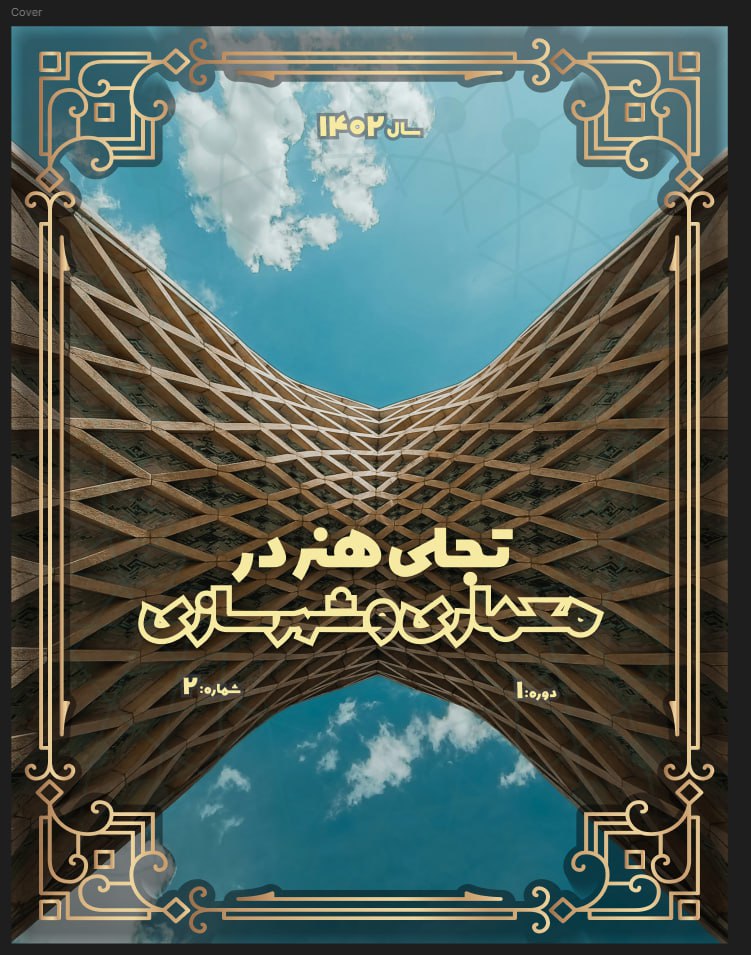
تدوین شاخصهای کالبدی مؤثر بر ارتقاء حس معنویت در پلان مساجد روزآمد (نمونه موردی مسجد شیخ لطف الله اصفهان)
کلمات کلیدی:
شاخصهای کالبدی, معنویت, مسجد ایرانی, اسلامی, مسجد شیخ لطف اللهچکیده
معماری مسجد در تمدن اسلامی، فراتر از تأمین نیازهای عبادی، همواره بستری برای شکلگیری حیات اجتماعی، فرهنگی و هویتی مسلمانان بوده است. از این رو، کالبد مسجد تنها مجموعهای از عناصر عملکردی و تزئینی نیست، بلکه سازمان فضایی و ویژگیهای کالبدی آن میتواند در شکلگیری تجربه ادراکی و ارتقای حس معنویت مخاطب نقش داشته باشد. با وجود ظرفیتهای معنایی و فضایی مساجد تاریخی ایران، در برخی مساجد معاصر، توجه به معنویت به استفاده صوری از فرمها و عناصر تاریخی محدود شده است. پژوهش حاضر با هدف تدوین شاخصهای کالبدی مؤثر بر ارتقای حس معنویت در پلان مساجد روزآمد، با تأکید بر بازخوانی ویژگیهای معماری مسجد شیخ لطفالله اصفهان انجام شده است. پژوهش از نظر هدف، کاربردی و از نظر ماهیت و روش، کیفی با رویکرد توصیفی ـ تحلیلی است. در مرحله نخست، مبانی نظری مرتبط با معنویت، حس مکان، ادراک محیط، معماری مساجد و الگوهای فضایی مساجد ایرانی از طریق مطالعات اسنادی و کتابخانهای بررسی و مؤلفههای اولیه استخراج شد. در مرحله دوم، مسجد شیخ لطفالله به عنوان نمونه موردی، از منظر کالبدی ـ فضایی تحلیل و ویژگیهایی همچون نحوه ورود و حرکت، سلسلهمراتب فضایی، درونگرایی، مرکزیت، جهتگیری، تناسبات، نور، رنگ، حیاط، آب، محراب و گنبدخانه بررسی شد. در مرحله سوم، یافتهها با استفاده از تحلیل محتوای کیفی، دستهبندی و کدگذاری و در قالب شاخصهای قابل استفاده در طراحی مساجد روزآمد تنظیم شدند. یافتهها نشان داد که حس معنویت حاصل تأثیر منفرد یک عنصر نیست، بلکه از تعامل و هماهنگی مجموعهای از ویژگیهای فضایی، ادراکی و معنایی شکل میگیرد. مهمترین شاخصها شامل سلسلهمراتب فضایی، نحوه ورود و حرکت، جهتگیری و محور قبله، مرکزیت، هندسه و تناسبات، نظم و تقارن، حیاط مرکزی، ارتباط با طبیعت و آسمان، نور و آب، کیفیت محراب، گنبد و گنبدخانه، نقش مناره، مصالح و رنگ و استفاده معنادار از آرایهها و نمادهای اسلامی است. نتایج نشان میدهد روزآمدسازی مسجد باید نه بر تقلید صوری از گذشته، بلکه بر بازخوانی و بازتفسیر اصول معماری اسلامی ـ ایرانی در قالبی متناسب با نیازهای انسان معاصر استوار باشد.
دانلودها
مراجع
1. Pourmahabadian E, Yousefi P. Examining the effect of form on inducing a sense of spirituality in Qajar-period and contemporary mosques: A case study of Sepahsalar Mosque and Imam Reza Mosque in Tehran. Memari Shenasi. 2021;3(18):1-15.
2. Rasouli SH, Shahcheragh FS, Hajbabaei N, Moghadam Habibzadeh M. Examining factors affecting the design of a vernacular architectural model in the formation of rural housing in Mazandaran Province. Quarterly Journal of Applied Research in Engineering and Technology. 2024;4(34).
3. Kashmiri H, Heidari AA, Emad F. Developing design principles for the physical elements of mosques with emphasis on formal hierarchy to increase presence: A case study of Qajar-period mosques in Shiraz. Iranian-Islamic City Studies. 2021;12(46):39-51.
4. Mehdinejad Ja-D, Azmati H, Sadeghi Habibabad A. Strategic explanation of the components of spiritual sense in Iranian mosque architecture. National Studies Quarterly. 2019;20(78):77-94.
5. Lawlor R. Sacred Geometry. London: Thames and Hudson; 1982.
6. Bakhshi A, Moharreri M, Rasouli SH. Explaining the foundations and principles of widening urban streets with an approach based on Islamic teachings and Iranian culture: Sanayi Street in Mashhad. Quarterly Journal of Sustainable Urban and Regional Development Studies. 2022;3(4).
7. Bemanian M, Mohammadi S. The study of the position of the dome in the physical patterns of contemporary mosques. The Role of the Universe - Theoretical Studies and Modern Technologies of Architecture and Urbanization. 2014;4(3):7-16.
8. Sadeghi Habibabad A, Mehdinejad Ja-D, Azmati H. Examining and re-reading the components affecting the enhancement of the sense of spirituality in mosque architecture. Sustainable Architecture and City. 2018;6(1):61-78.
9. Ching FDK. Architecture: Form, Space and Order. New York: Van Nostrand Reinhold; 1979.
10. Berry D. Does religious psychotherapy improve anxiety and depression in religious adults? A review of randomized controlled studies. The International Journal of Psychiatric Nursing Research. 2002;8(1):875-90.
11. Mayhew S. Dictionary of Geography: Oxford University Press; 2003.
12. Edelstein EA. The laboratory experiment. AIA College of Fellows 2005 Latrobe Fellowship: Developing an evidence-based design model that measures human response: A pilot study of a collaborative, trans-disciplinary model in a health care setting. Washington, DC: American Institute of Architects; 2008.
13. Hill PC, Pargament KI. Advances in the conceptualization and measurement of religion and spirituality: Implications for physical and mental health research. American Psychologist. 2003;58(1):64-74.
14. Vaezzadeh Asadi N, Raeisi T. Examining physical factors affecting the formation of a spiritual sense in mosques. Second International Congress on Structure, Architecture and Urban Development; Tabriz2014.
15. Maleki M, Bayezidi G, Younesi A, Charehjou F. Evaluation and ranking of factors affecting the perception of spirituality in mosque interior spaces: A case study of Nasir al-Mulk Mosque in Shiraz. Iranian-Islamic City Studies. 2021;10(40):45-54.
16. King DB. Rethinking claims of spiritual intelligence: A definition, model, and measure. Canada: Trent University; 2007.
دانلودها
گاهشمار انتشار
- ارسال
- بازنگری
- پذیرش
شماره
نوع مقاله
مجوز
حق نشر 2025 Ali Ghamari (Author); Saeed Piri; Nasim Khanloo (Author)

این پروژه تحت مجوز بین المللی Creative Commons Attribution-NonCommercial 4.0 می باشد.