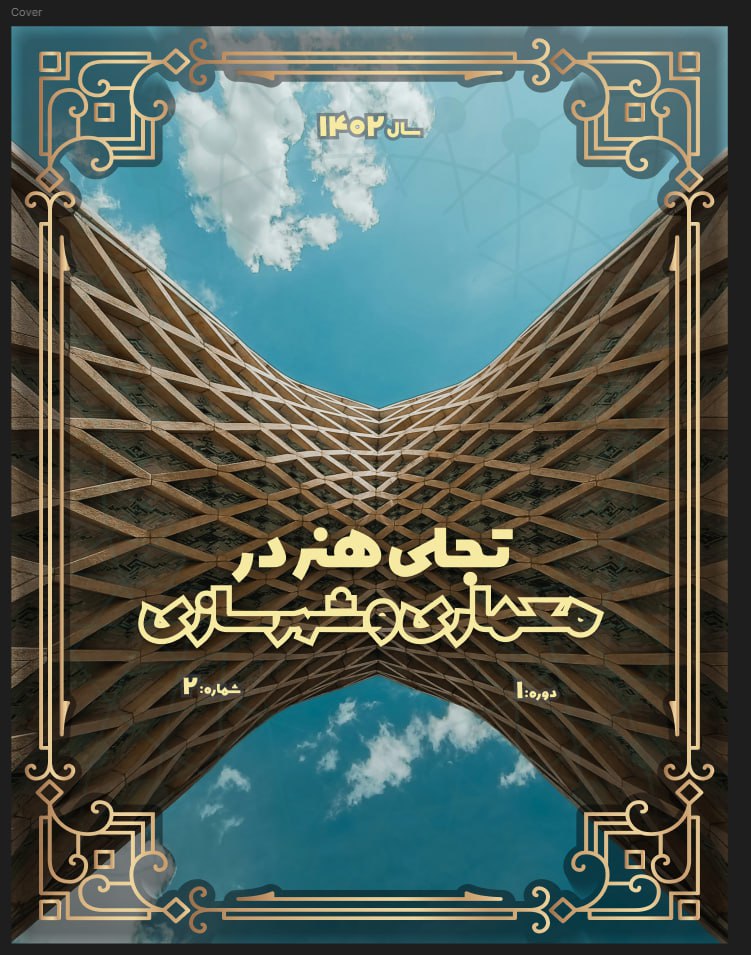
تبیین مؤلفههای محیطی هنرستانهای معماری در ارتقاء مهارت حل مسئله، تفکر طراحی و توان ایدهپردازی (مهارت شناختی هنرجویان)
کلمات کلیدی:
عوامل محیطی, هنرستانهای معماری, حل مسئله, طراحی, ایدهپردازیچکیده
محیط آموزشی یکی از بسترهای بنیادین در شکلگیری کیفیت آموزش و پرورش شایستگیهای حرفهای هنرجویان هنرستانهای معماری به شمار میآید. هدف از این پژوهش، تبیین نقش عوامل محیطی هنرستانهای معماری در ارتقای مهارتهای حل مسئله، طراحی و توانایی ایدهپردازی هنرجویان بوده است. این تحقیق با رویکردی تحلیلی و کیفی و با تکیه بر روش کتابخانهای صورت گرفته و دادههای لازم از طریق مرور کتب، مقالات علمیپژوهشی داخلی و خارجی و منابع مرتبط با حوزه آموزش معماری و طراحی فضاهای یادگیری گردآوری و تحلیل شده است. یافتههای بهدستآمده نشان میدهد که کیفیت فضاهای آموزشی، کارگاهها و آتلیههای تخصصی طراحی، تجهیزات، فناوریهای روزآمد، نور، تهویه، سازماندهی فضایی و تعاملات آموزشی، از مهمترین مؤلفههای محیطی اثرگذار بر رشد توانمندیهای حرفهای هنرجویان هستند. محیطهای آموزشی پویا، منعطف و مجهز، زمینهساز رشد خلاقیت، تقویت تفکر طراحی، ارتقای توان حل مسئله و بسط قابلیت ایدهپردازی خواهند بود. در مجموع، بهبود عوامل محیطی هنرستانهای معماری زمینهساز ارتقای فرآیند یاددهیـیادگیری و تربیت هنرجویانی خلاق، توانمند و مسئلهمحور خواهد بود.
دانلودها
مراجع
1. Lebasi A, Talischi G. The impact of physical learning environments on creativity in educational settings: A systematic review. International Journal of Architectural Engineering & Urban Planning. 2024;34(2):1-21.
2. Abolhasani A, Tabaeian SM. Examining the impact of environmental architecture on children's skill development in schools and the cultivation of their multiple intelligences. International Conference on Civil Engineering, Architecture, and Urban Planning in Contemporary Iran; Tehran, Iran2017.
3. Hosseinimehr SF. Structural requirements of school architecture for enhancing creativity, competencies, and learning among vocational school students. First National Conference on Transformative Research Approaches in Education; Bandar Abbas, Iran2023.
4. Ahmadzadegan Yazd M, Esfandiarifard A, Bayat N. Proposing design strategies for vocational schools with a focus on skills and employment. Sixth International Conference on New Technologies in Architectural Engineering and Urban Planning in Iran; Tehran, Iran2025.
5. Ataei A, Torabi Z. The role of the physical components of the environment in children's creativity and mental dynamism: Architectural spaces for children aged 3 to 6. Architecture and Urban Planning Journal. 2022.
6. Bijani S. Examining the impact of practical and workshop-based architecture education in vocational schools on students' professional competencies. Fourth National Conference on New Developments in Evolutionary and Educational Psychology; Bandar Abbas, Iran2025.
7. Farjami R. Problem-solving approaches to architecture education in vocational schools. First International Conference on Artificial Intelligence in Education, Psychology, Educational Sciences, and Religious, Cultural, Social, and Management Studies in the Third Millennium; Bushehr, Iran2025.
8. Khaki A. Examining and explaining the impact of physical architectural space on management quality and the enhancement of students' creativity in university environments from experts' perspectives. Organizational Culture Management Quarterly. 2024.
9. Joseph A, Kroll D, Srivastava A, Sharifi E, Datey A. Collaboration in architectural design studio pedagogy: A literature review. CoDesign. 2025:1-28.
10. Azmati H, Parvizi R. Effective design principles for enhancing students' creativity in educational spaces. Innovation and Creativity in the Humanities. 2016;6(2):121-42.
11. Rahbarimanesh K, Jahangir Golshan R. Examining environmental factors influencing the enhancement of creativity in school design. National Conference on Architecture, Urban Planning, Civil Engineering, and Tourism for Sustainable Urban Development; Qazvin, Iran2015.
12. Omrani S. The role of new technologies in teaching interior architecture to vocational school students. Second International Conference on Transformative Research by Iran's Progress Officers; Ahvaz, Iran2025.
13. Rahrovi Poudeh S. Examining the relationship of individual and environmental characteristics with the enhancement of architecture students' creativity: A case study of architecture faculties in Isfahan. Shiraz Fatemieh Architecture Journal. 2025.
14. Imani MN, Safari M. Analyzing the requirements and strategies for implementing a skill-based learning system in technical and vocational schools: A research synthesis approach. Educational Planning Studies. 2025;14(27).
15. Mobini D, Pirkhaefi A, Zare H. Examining the effectiveness of problem-solving skills training in enhancing engineers' creativity with regard to their personality types. New Developments in Industrial and Organizational Psychology. 2010;1(3):49-56.
16. Alizadeh M, Mehrpour S, Amidi F. Architectural creativity as architecture of creativity: Analysis and rating of the physics-based psychological effects of the sense of place on environment users’ creativity: Case study: Higher education institutions of Kermanshah. Armanshahr Architecture & Urban Development. 2020;13(31):73-88.
17. Asgaripur S, Farmahini R, Nikkhah Shahmirzadi M. Application of the physical components of educational corridors in promoting the creativity of architecture expert students with an emphasis on experimental designs. Creative City Design. 2024;7(4):94-106.
18. Bengi SI. A creative inquiry attempt in architecture education: Producing an “...ism”. Proceedings of the International Conference of Contemporary Affairs in Architecture and Urbanism (ICCAUA)2026. p. 2620001.
19. Shakir M, Ahmed N, Khan SA. Factors affecting critique in architecture design studio: Evidence from regional and urban institutes of Pakistan. Orient Research Journal of Social Sciences. 2025;10(2):41-51.
20. Sadykova S, Semenyuk O, Khvan E, Kuc S. Development of students’ creative skills through architectural workshops. Global Journal of Engineering Education. 2016;18(3):223-31.
21. Anvari Toutounchi S, Hamidi Z. Designing an architecture vocational school with a sustainable architecture approach. Second International Congress on Earth Sciences and Urban Development; Tabriz, Iran2016.
22. Shafaei M, Madani R. Principles for designing children's educational spaces based on a creativity model. Educational Technology. 2010;4(3):215-22.
23. Ezennia IS, Agbonome PC. Advances in design studio critique techniques: A narrative review on innovative critique models and lessons for improving architecture education. Discover Education. 2025;4:369.
24. Özeren EB, Dinç Kalayci P. The reflection of architectural design studio practices on student experiences: A phenomenology-based focus group study. Journal of Asian Architecture and Building Engineering. 2025;25(4):3253-72.
دانلودها
گاهشمار انتشار
- ارسال
- بازنگری
- پذیرش
شماره
نوع مقاله
مجوز
حق نشر 2025 Mohadeseh Erfani (Author); Mahnaz Talebi; Maryam Hafezi Far (Author)

این پروژه تحت مجوز بین المللی Creative Commons Attribution-NonCommercial 4.0 می باشد.